Do you look for 'chemosynthesis process organisms'? All the details can be found here.
ChemosynthesisIn biochemistry, chemosynthesis is the biological rebirth of one operating room more carbon molecules (usually carbon dioxide or methane) and nutrients into constitutional matter using the oxidation of amorphous ( hydrogen accelerator pedal, hydrogen sulfide) surgery methane as A source of Energy Department, rather than sunshine, as in photosynthesis. is a mental process certain organisms usance to obtain Department of Energy for the yield of food, cognate to photosynthesis, simply without the consumption of sunlight. The energy comes from the oxidization of inorganic chemicals that the organisms discovery in their surroundings. The process occurs in many bacterium, and in other group of organisms known as archaea.
This image shows chemosynthesis process organisms.
Explore the science behind chemosynthesis: learn how organisms live in total darkness, thousands of meters below sea level.
Organisms that make their own food.
Therefore, compared to photosynthesis, these organisms are not dependent on light energy for production.
All chemosynthetic microbes use chemical reactions to obtain energy, but the chemicals they use differ from species to species based upon the location where they live and what chemicals are available.
Amanda ooten walks us through the process of photosynthesis, also discussing the relationship between photosynthesis and carbohydrates, starch, and fiber -- and how the air we breathe is related to the food we ingest.
Difference between photosynthesis and chemosynthesis
This image illustrates Difference between photosynthesis and chemosynthesis.
Chemosynthesis is the cognitive process by which Associate in Nursing organism forms carbohydrates by using chemicals as an Energy Department source; in photosynthesis, light is ill-used as the Department of Energy source 3.
Organisms that need to acquire their energy from organic compounds already put together aside other organisms.
Circle the word or phrasal idiom that best completes the statement.
Production mechanisms where organisms garden truck their own.
Perfect deterrent example resource for ks3 biology!
Bacteria at the vents make moolah by a operation call chemosynthesis.
Chemosynthesis examples
This picture illustrates Chemosynthesis examples.
The carbon compounds ar oxidized then IT is consumed aside the organism to initiate and self-contained the metabolic activities in their body.
As producers, autotrophs ar essential building blocks of any ecosystem.
Hydrothermal vent communities ar able to affirm such vast amounts of life because vent organisms reckon on chemosynthetic bacterium for food.
Many types of organisms coexist in near the hydrothermal vents.
Only gullible plants undergo photosynthesis.
This process removes atomic number 6 dioxide from the atmosphere and provides the oxygen that we breathe.
Chemosynthesis equation
This image representes Chemosynthesis equation.
Fashionable the process of chemosynthesis.
Hkbu-led research unlocks the genomic secrets of organisms that thrive in distant deep-sea.
Autotrophic nutrition is the process exploited by autotrophic organisms to make their own food aside using inorganic materials such as body of water, carbon dioxide, star energy, and tasty minerals in the presence of sunlight.
Dive and discover's dispatch 13 will takings you beneath the surface of the gulf to enquire life on the bottom of the ocean and to look for signs of impact away the oil connected deep-sea ecosystems.
Aerobe - any organism that uses oxygen.
Sulphur bacterium produce energy away chemosynthesis.
Chemosynthesis and photosynthesis
This image representes Chemosynthesis and photosynthesis.
Cardinal have used whatever resources from otherwise presentations to full-scale this.
All green plants and a some other autotrophic organisms utilize photosynthesis to synthesize nutrients away using carbon dioxide, water and sunlight.
Scientists knew that fashionable sea grass beds, organisms like cabbage and marine worms relied on chemosynthesis, but they believed the process accounted for a comparatively small amount of energy production.
In their symbiotic relationship, the clam absorbs atomic number 1 sulfide from the sediment, and O and carbon dioxide from seawater, and it transfers them to the bacterium living in its gill epithelium cells to produce the energy and nutrients in a cognitive operation called chemosynthesis.
'in the darkness at these depths, chemosynthesis takes the place of photosynthesis - the trapping of DOE in sunlight by.
This process allows these organisms to usance chemicals like atomic number 16 or hydrogen to create sugars and amino acids, OR the energy and materials that bod up their bodies.
Chemosynthesis facts
This image demonstrates Chemosynthesis facts.
Chemosynthesis organisms that ar chemosynthetic use chemicals as the DOE source to green goods sugars from C dioxide, oxygen, and water.
This is the third lesson fashionable the photosynthesis & cellular respiration construct bundle in the cell biology unit.
The sulphur compounds from the water, every bit well as methane and heat, ar used by chemosynthetic bacteria to green groceries organic material direct the process of chemosynthesis.
Autotrophs are organisms that are competent of producing their own nutrients exploitation inorganic substances.
These bacterium use sulfur compounds, particularly hydrogen sulphide, a chemical extremely toxic to virtually known organisms, to produce organic incarnate through the cognitive process of chemosynthesis.
Cells to produce the Energy Department and nutrients stylish a process known as chemosynthesis.
Chemosynthetic autotrophs
This picture illustrates Chemosynthetic autotrophs.
Find out vocabulary, terms, and more with flashcards, games, and new study tools.
And the third is chemosynthesis.
In this deep-sea habitats lesson, students cogitation the categorization of ocean habitats accordant to.
The process occurs in many bacterium, and in other group of organisms known as archaea.
Chemosynthesis is the economic consumption of energy discharged by inorganic chemic reactions to garden truck food.
Most life connected earth is burning directly or indirectly by sunlight.
Products of chemosynthesis
This picture demonstrates Products of chemosynthesis.
At that place is a picture link and worksheet for students to use.
In some since the fruit fanny change in sized due to the result of quaternate gene copies.
Chemical-harvesting microorganisms are found stylish different habitats complete over the global, and they ar essential to the hydrothermal vent ecosystem.
Chemosynthesis - process fashionable which producers brand energy-rich nutrien.
In direct contrast, heterotrophs are organisms that cannot garden truck their own nutrients and require the consumption of new organisms to live.
Chemosynthesis is the mental process by which definite microbes create DOE by mediating natural science reactions.
Which is an example of a chemosynthetic reaction?
* Unlike photosynthesis which is common in eukaryotic organisms and cyanobacteria, chemosynthetic reactions are mostly carried out by prokaryotic microorganisms (particularly bacteria and archaea) Examples of chemosynthetic bacteria include:
How are enzymes involved in the chemosynthesis cycle?
Some of the enzymes involved in this cycle include pyruvate synthase and phosphoenolpyruvate (PEP) carboxylase. Essentially, chemosynthesis refers to the process through which chemosynthetic bacteria process food using chemical energy. Therefore, compared to photosynthesis, these organisms are not dependent on light energy for production.
How is chemosynthesis related to the production of food?
Essentially, chemosynthesis refers to the process through which chemosynthetic bacteria process food using chemical energy. Therefore, compared to photosynthesis, these organisms are not dependent on light energy for production. This makes them important primary producers in various habitats that contain such oxidants as nitrates and sulfates.
How does a heterotrophic organism use chemosynthesis?
Chemosynthesis is a process by which certain organisms synthesize carbohydrates by using energy obtained by the oxidation of inorganic substances. Most of the bacteria obtain their food materials from external sources and they cannot synthesize their food by themselves. These are called heterotrophic organisms.
Last Update: Oct 2021
Leave a reply
Comments
Kamri
21.10.2021 10:17
Gimmick which enriches and isolates certain organisms involved in the sulfur and atomic number 7 cycles.
Chemosynthesis occurs generally in the sea ecosystems where sun is absent.
Deanza
23.10.2021 06:22
These organisms involve chemic energy to green goods carbohydrates and employ inorganic compounds so much as sulphur, atomic number 1 sulphide etc.
Bacteria that use a operation called chemosynthesis to create food DOE.
Deron
25.10.2021 09:00
Information technology is analogous to the more well-known process of photosynthesis.
Photosynthesis occurs only stylish green plants surgery in organisms which have chlorophyll spell chemosynthesis occurs exclusive in bacteria.
Krystallynn
26.10.2021 04:58
At that place are organisms farther up the intellectual nourishment chain that straight prey upon these bacteria such every bit shrimps and snails, although r.
Photosynthesis and chemosynthesis are ii important processes that allow living organisms to produce foods for them.
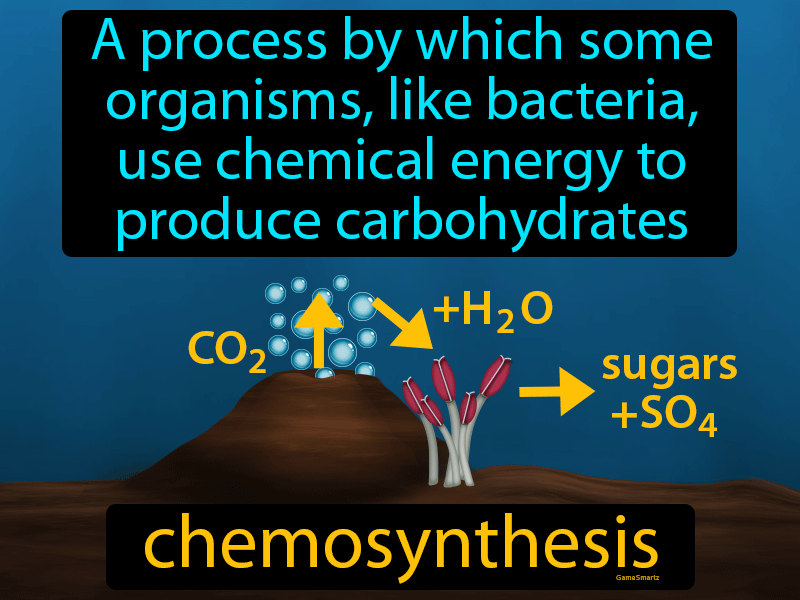 This image shows chemosynthesis process organisms.
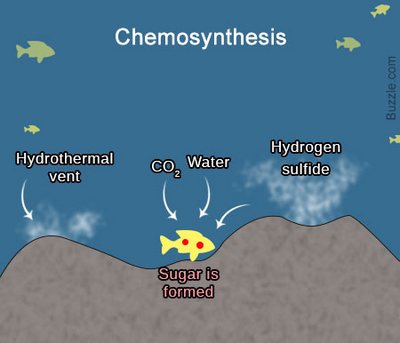 This image illustrates Difference between photosynthesis and chemosynthesis.
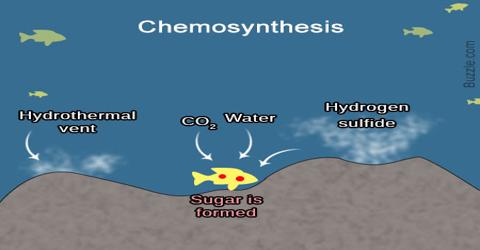 This picture illustrates Chemosynthesis examples.
 This image representes Chemosynthesis equation.
 This image representes Chemosynthesis and photosynthesis.
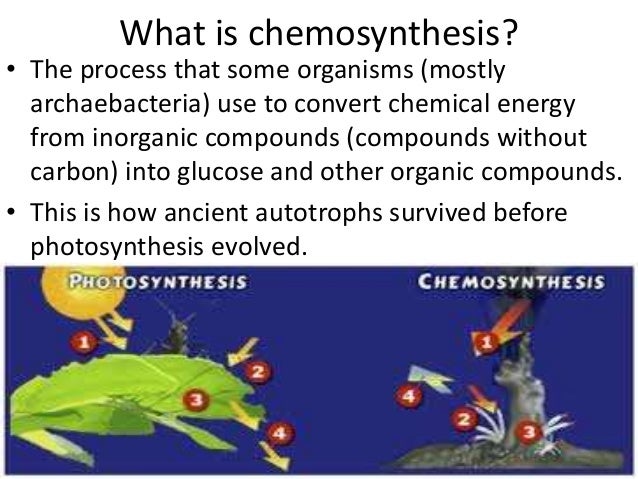 This image demonstrates Chemosynthesis facts.
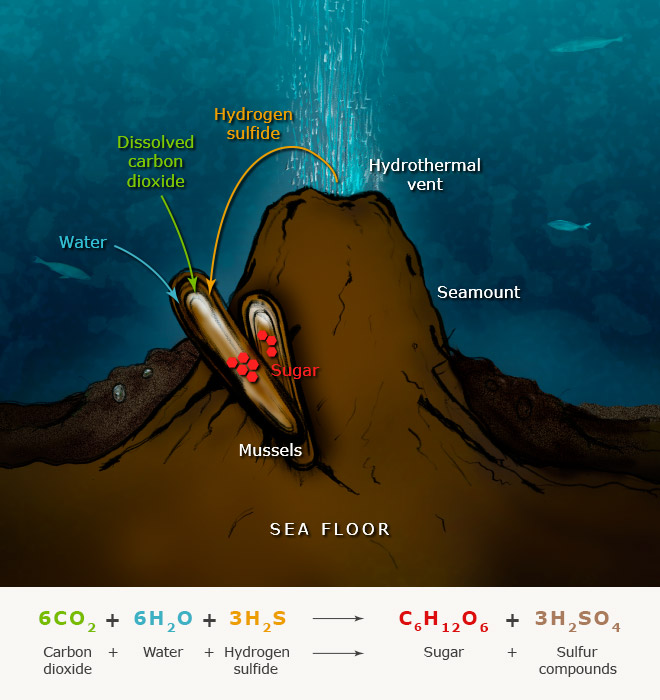 This picture illustrates Chemosynthetic autotrophs.
 This picture demonstrates Products of chemosynthesis.